Medical trade fairs have always been the lifeblood of the healthcare supply chain. From Düsseldorf’s Medica to regional healthcare conferences in Asia and Africa, these physical gatherings gave manufacturers, distributors, and buyers a chance to connect, showcase innovations, and sign deals. Yet, as valuable as they were, they came with serious limitations: costly travel, high booth expenses, and limited reach. A manufacturer could spend months preparing for an expo, only to showcase their products to a few thousand people within a single location.
The COVID-19 pandemic exposed these inefficiencies more than ever. With borders closed and travel restricted, global medical trade slowed down. The industry realized something important: while physical expos were useful, they were not the only way to connect. Digital transformation wasn’t just optional anymore—it was urgent.
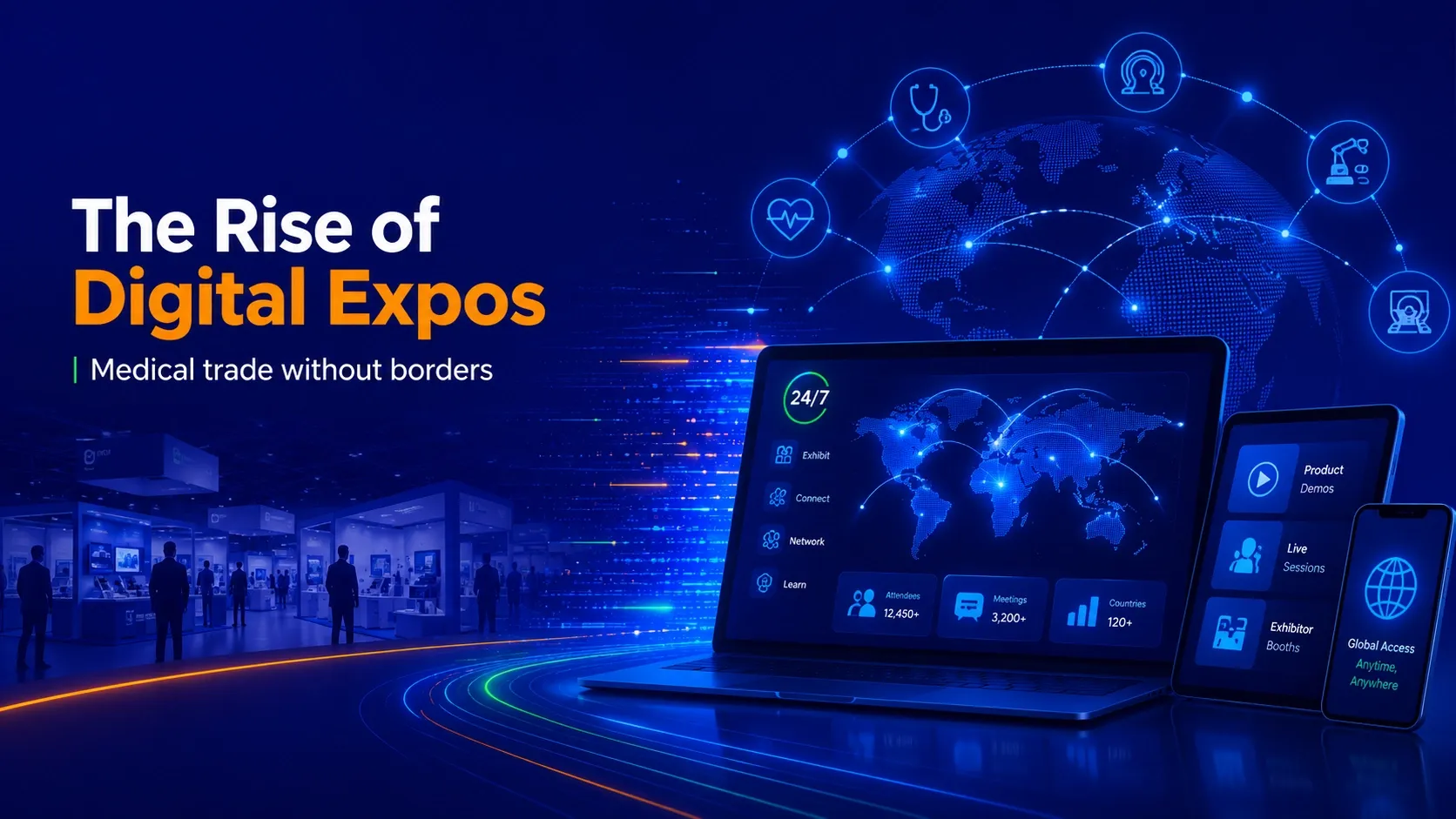
The Rise of Digital Expos
Enter the era of digital expos, where technology redefines how business is done. Platforms like DigimedExpo are delivering the same value that physical expos once promised—but without borders, without limits.
Unlike generic e-commerce sites, digital expos are specialized ecosystems. They go beyond simple product listings. On DigimedExpo, manufacturers can create detailed company profiles, upload product catalogues, and connect directly with verified buyers. Distributors can showcase their networks, logistics companies can pitch their services, and biomedical engineers can market their expertise.
Instead of flying across continents, buyers now explore medical innovations from the comfort of their offices—or even their smartphones. They can issue RFQs (Requests for Quotations), compare bids from multiple suppliers, and negotiate seamlessly. A digital expo doesn’t last for a week—it’s always on. That means opportunities don’t end when the physical lights of a convention center go out.
Why Digital Expos Are Winning
- Global Reach Without Borders – A single listing on DigimedExpo has the potential to reach buyers in Asia, Africa, Europe, and the Americas simultaneously.
- Cost-Effective Engagement – No flights, no hotel bills, no elaborate booth setups. Suppliers save millions while gaining greater exposure.
- Always Open, Always Active – Unlike annual trade fairs, digital expos run 24/7, 365 days a year. Every day is an opportunity to connect.
- Data-Driven Insights – Unlike physical expos where outcomes are vague, digital expos provide analytics: who viewed your product, who requested a quotation, and where demand is coming from.
- Complete Ecosystem – DigimedExpo doesn’t just connect buyers and sellers. It integrates logistics, biomedical expertise, job opportunities, and distributor networks—mirroring the entire medical supply chain in one digital hub.
Innovation Meets Necessity
The digital expo model is not just about convenience—it’s about survival in a fast-changing global economy. Healthcare systems are under pressure to source supplies faster, more efficiently, and more transparently. Manufacturers, especially small and mid-sized ones, can no longer afford to be invisible between expos. Digital platforms give them visibility year-round.
For emerging markets, this is transformative. Hospitals in Africa can directly engage with manufacturers in Europe or Asia without middlemen inflating costs. Logistics companies can offer real-time shipping solutions. Engineers can provide technical support remotely. The barriers of geography and access are collapsing.
Final Thought
Digital expos are not the future—they are the present. Physical trade fairs will always have their place for networking and product demonstrations, but the real business, the real lead generation, and the real growth will increasingly happen online.
DigimedExpo is leading that change. It is the world’s first specialized digital exposition for medical devices and technologies, designed to give manufacturers and healthcare businesses a global stage—without the limitations of time, distance, or cost.
For those who once relied only on traditional expos, the message is clear: the world has gone digital, and so has medical trade.